
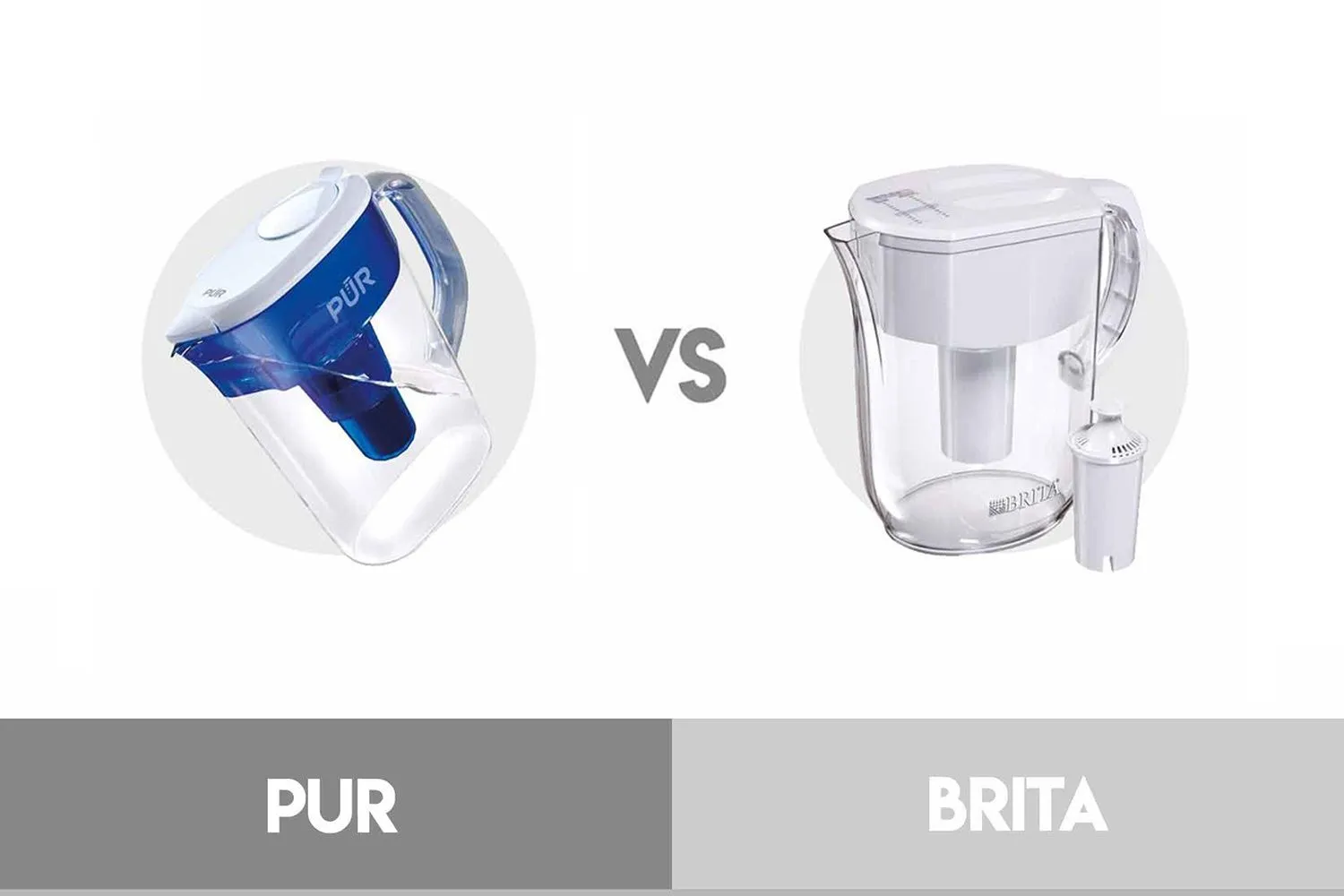
When it comes to drinking water, everyone wants clean, safe, and refreshing water right from the tap. Over the past year, I have tested both Brita and Pur water pitchers, and the brita vs pur debate is real. Each system has its strengths, weaknesses, and unique features. In this article, we will explore the differences, benefits, and drawbacks of these popular water filters so you can make an informed decision for your home.
Understanding Brita vs Pur
What Makes Brita Popular
Brita has been a household name for decades. Its popularity comes from several factors:
- Ease of Use: Brita pitchers are simple to fill and require minimal maintenance.
- Affordable Filters: Replacement filters are reasonably priced and widely available.
- Good Taste Improvement: Brita effectively reduces chlorine taste and odor, making water more enjoyable to drink.
Many families start with Brita because it is accessible and convenient. If you are looking for a basic solution to improve water taste and remove common contaminants, Brita is a reliable choice.
Why People Choose Pur
Pur has gained attention for its advanced filtration technology. Here’s why people opt for Pur:
- Comprehensive Filtration: Pur filters often remove more contaminants than standard Brita filters, including certain heavy metals and pharmaceuticals.
- High Flow Rate: Pur pitchers can filter water faster, which is ideal for busy households.
- Indicator Alerts: Many Pur pitchers include an electronic filter change indicator to ensure optimal performance.
In many homes, Pur is preferred when health and contaminant removal are top priorities.
Filter Performance Comparison
Contaminants Removed by Brita vs Pur
Understanding what each filter removes is crucial in the Brita vs Pur comparison.
- Brita: Reduces chlorine taste and odor, copper, mercury, and some particulates.
- Pur: Reduces chlorine, mercury, copper, lead, certain pesticides, and even some pharmaceutical residues.
Real-life example: A family in Denver noticed a significant improvement in taste and odor when switching from tap water to Brita, while their neighbors who were concerned about lead contamination preferred Pur for extra peace of mind.
Filter Lifespan and Maintenance
Another critical aspect of Brita vs Pur is how long the filters last and how easy they are to maintain:
- Brita Filters: Typically last 40 gallons or about 2 months for average use. Replacing the filter is straightforward and does not require tools.
- Pur Filters: Can last up to 100 gallons or around 3 months. Although slightly more expensive, the longer lifespan balances the cost.
Maintenance in both cases is simple, but Pur may save time due to fewer filter replacements.
Ease of Use and Design
Brita Pitcher Design
Brita pitchers are designed with simplicity in mind:
- User-Friendly: Fill at the top, and gravity does the work.
- Compact Size: Fits easily in most refrigerators.
- Variety of Styles: From basic to sleek designs, Brita offers multiple options for any home.
The straightforward design makes Brita a favorite for those who want functional water filtration without extra features.
Pur Pitcher Design
Pur focuses on functionality and efficiency:
- Fast Filtration: Water flows through filters quickly without sacrificing quality.
- Filter Indicator: Digital alerts tell you when it’s time to replace the filter, helping maintain water quality.
- Ergonomic Handle: Comfortable to pour and easy to refill.
For households that prioritize both speed and comprehensive filtration, Pur’s design can be more convenient than Brita.
Cost and Value Considerations
Brita Costs
One of Brita’s main advantages is affordability:
- Pitchers: Typically range from $20 to $40 depending on size and design.
- Replacement Filters: Around $6 to $10 each, making ongoing maintenance budget-friendly.
Brita is ideal for families looking for basic water filtration without breaking the bank.
Pur Costs
Pur pitchers tend to be slightly higher in price:
- Pitchers: Generally range from $30 to $50, depending on features.
- Replacement Filters: Around $12 to $15 each, but last longer than Brita filters.
Although the upfront and filter costs are higher, Pur provides more comprehensive filtration, which can justify the investment for health-conscious users.
Real-Life Experiences: Brita vs Pur
Taste Test Comparisons
Many users conduct simple taste tests to compare Brita vs Pur:
- Brita: Water tastes cleaner and fresher than tap, especially in areas with strong chlorine presence.
- Pur: Water tastes equally fresh, with the added reassurance of additional contaminant removal.
For families, these small differences can influence the decision depending on taste preference and water quality concerns.
Household Examples
In one example, a household in Vancouver switched to Pur after learning about lead contamination in their area. Another family in Toronto stayed with Brita for simplicity and affordability, highlighting how personal circumstances affect the choice.
Making the Right Choice
Who Should Choose Brita
- Budget-conscious households
- Users primarily concerned with taste and odor
- Families seeking an easy-to-use solution
Who Should Choose Pur
- Health-conscious families
- Areas with known contaminants like lead
- Users who value speed and digital filter tracking
Choosing between Brita vs Pur ultimately depends on your priorities. Consider taste, contaminant removal, ease of use, and budget when making a decision.
Brita vs Pur: Filter Speed and Efficiency
How Fast Each Filter Works
When comparing brita vs pur, filter speed is an important consideration. Brita filters generally take a bit longer to filter a full pitcher of water compared to Pur. If you are looking for quick access to clean water, Pur often edges out Brita. That said, brita vs pur both deliver safe, filtered water, and speed differences are noticeable mainly during high-volume use.
Practical Household Experience
In real-life tests, households using brita vs pur found that Pur pitchers refill faster and reduce waiting time for clean water. Families who use Brita notice slightly longer wait times, but still enjoy fresh water. The brita vs pur comparison shows that while Pur may be faster, Brita remains convenient for everyday use.
Conclusion
Both Brita and Pur provide excellent water filtration options, but their strengths differ. Brita is affordable, simple, and effective for general taste and odor improvement. Pur offers faster filtration, broader contaminant removal, and helpful digital indicators. By understanding the features, costs, and performance of Brita vs Pur, you can confidently choose the best solution for your home and enjoy clean, healthy water every day. Looking for something specific? You’ll find it faster on our homepage.
FAQs
What is the main difference between Brita and Pur?
The main difference between Brita vs Pur lies in filtration. Brita primarily reduces chlorine, mercury, and copper, while Pur removes more contaminants, including lead and certain pharmaceuticals, offering more comprehensive protection.
Which is better for everyday use, Brita or Pur?
For everyday use focused on taste and odor, Brita is a reliable, affordable choice. Pur is better if you prioritize speed, digital indicators, and removal of a wider range of contaminants.
How often should I change Brita or Pur filters?
Brita filters should be replaced every 40 gallons or roughly 2 months, while Pur filters last up to 100 gallons or about 3 months. Regular replacement ensures optimal water quality.