
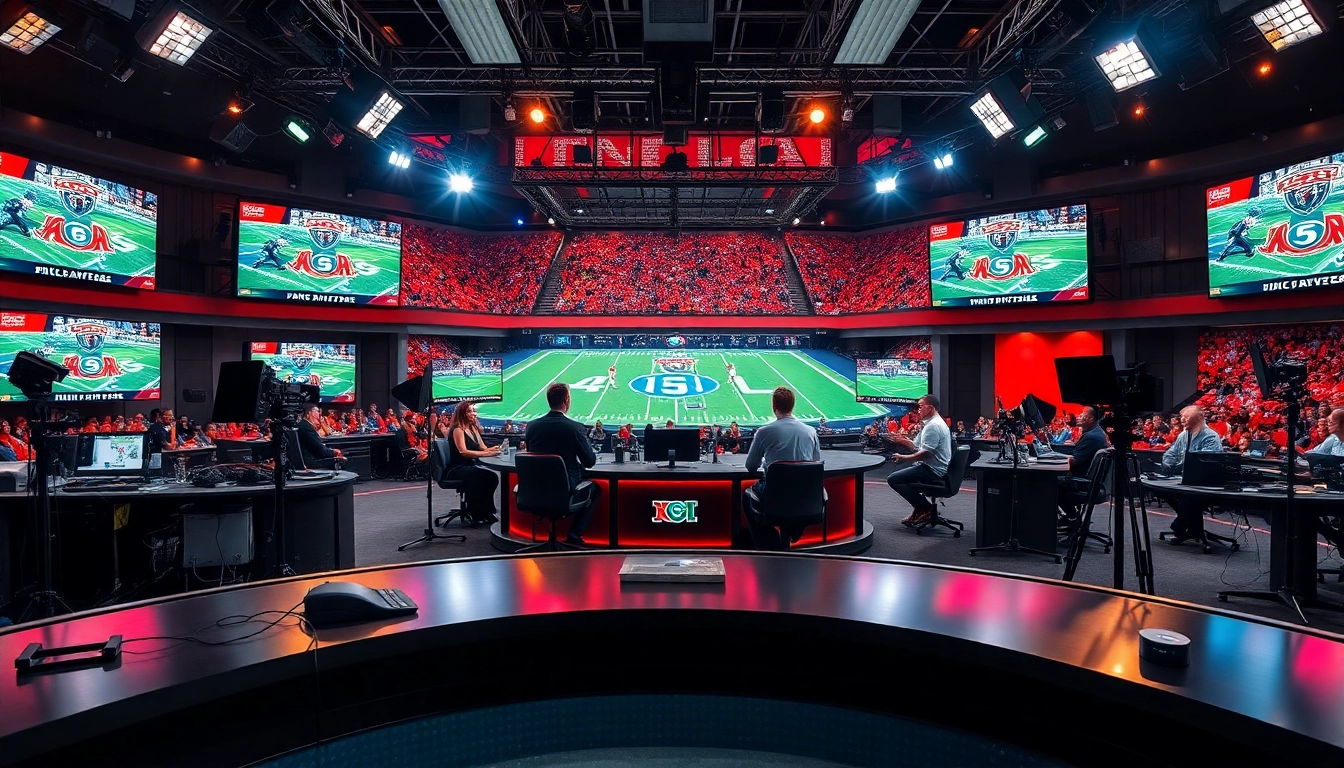
Understanding Sports Broadcasting Fundamentals
What is Sports Broadcasting?
Sports broadcasting is the practice of transmitting live or recorded sports events to an audience, utilizing various platforms such as television, radio, and digital streaming services. It has become an essential part of the sports ecosystem, allowing fans to experience their favorite games and events regardless of location. Unlike regular programming, sports broadcasting is unique due to its real-time nature and the need for timely information delivery. The industry is continuously evolving, especially with the rise of Sports Broadcasting in the digital age, where fans can access content on-the-go.
History of Sports Broadcasting
The history of sports broadcasting dates back to the early 20th century, commencing with radio broadcasts of sports events. The first-ever sports program was aired in 1921 when a boxing match was transmitted live. Television took sports broadcasting to new heights in the 1950s, allowing viewers to witness events in real-time, thus dramatically increasing audience reach and engagement. Over the decades, technological advancements such as satellite broadcasting, cable TV, and the internet have transformed how fans consume sports. From the initial broadcasts to the complex, multi-platform strategies employed today, the evolution of sports broadcasting reflects broader changes in technology and consumer preferences.
Types of Sports Broadcasting Formats
Sports broadcasting encompasses various formats, each catering to audience preferences and technological capabilities. These formats include:
- Live Broadcasting: The traditional method involves broadcasting events as they happen, providing a sense of immediacy and excitement.
- Recorded Highlights: These are edited, condensed versions of events showcasing key moments, available shortly after the event concludes.
- Analysis Shows: Programs that offer expert commentary and in-depth analysis of completed games, often integrating interviews and statistics.
- Streaming Services: Over-the-top (OTT) platforms allow users to watch live events or access on-demand content through subscriptions, democratizing sports content.
The Role of Technology in Sports Broadcasting
Live Streaming Innovations
Live streaming has revolutionized how sports are consumed, allowing fans to watch events on various devices, regardless of location. Innovations in this space include multi-camera angles, enhanced video quality, and user-friendly interfaces. Live streaming platforms often offer interactive features like real-time stats, play-by-play analysis, and audience engagement tools, making for a more immersive experience. The integration of Artificial Intelligence allows for better data analysis and personalized content recommendations, catering to individual viewer preferences. This technological shift has broadened the access to sports broadcasting beyond traditional channels, catering to the evolving needs of audiences.
Equipment Essential for Sports Broadcasting
Successful sports broadcasting relies heavily on the right equipment. Essential tools include:
- Cameras: High-definition cameras are foundational to capturing quality visuals, with many modern broadcasts utilizing 4K and even 8K technology for incredibly sharp images.
- Microphones: High-quality microphones are crucial for capturing clear audio, particularly during live events, where crowd noise and commentary are vital.
- Switchers and Mixers: These devices allow broadcasters to control multiple video sources and audio feeds to create a polished final product.
- Broadcast Software: Software solutions for playback, editing, and graphics integration have become integral, aiding in creating a seamless broadcasting experience.
Virtual and Augmented Reality in Broadcasting
Virtual reality (VR) and augmented reality (AR) are transformative technologies making headway in sports broadcasting. Broadcasters leverage these technologies to create immersive experiences. For instance, AR can enhance live broadcasts with graphics overlaying the real-time action, providing contextual information like player stats or tactical analysis. VR enables viewers to experience events from unique angles, simulating being part of the action. As these technologies evolve, the potential for fan engagement and content interaction will likely expand, offering new ways to experience and understand sports.
Creating Engaging Content in Sports Broadcasting
Storytelling Techniques for Sports Events
Effective storytelling is crucial in sports broadcasting, making events more engaging. Broadcasters are encouraged to weave narratives that connect with viewers on an emotional level. This can include athlete backstories, team rivalries, or narratives surrounding pivotal moments in a game. Engaging content goes beyond play-by-play commentary; it merges human interest with factual reporting, creating a deeper connection with the audience. Utilizing cinematic techniques like slow-motion replays, dramatic music, and expert commentary enriches this storytelling, turning a simple game into a memorable spectacle.
Incorporating Audience Interaction
Interactive features are becoming standard in modern sports broadcasts, especially on digital platforms. Live polls, Q&A sessions with commentators, and social media integration can significantly enhance audience engagement. Broadcasters can invite viewers to submit questions or opinions during an event, fostering a sense of community and inclusivity. By engaging audiences in the conversation, broadcasters not only enrich the viewer experience but also build loyalty and long-term following, crucial for business sustainability.
Utilizing Social Media for Broadcasting
Social media platforms are critical for the promotion and delivery of sports content. They enable broadcasters to reach broader audiences and create buzz around events. Live updates, behind-the-scenes content, and real-time highlights shared on platforms like Twitter, Instagram, and Facebook can amplify viewership. Additionally, leveraging user-generated content enhances authenticity, as fans share their experiences and insights. Social media also serves as a feedback loop, allowing broadcasters to gauge audience reactions and adjust content strategies accordingly.
Legal and Ethical Considerations
Broadcast Rights and Licensing
Broadcast rights and licensing are paramount in sports broadcasting. The landscape is governed by complex agreements between leagues, teams, and broadcasting networks. Major sports leagues often auction their broadcasting rights to the highest bidders, creating lucrative deals that can shape their revenue models. It’s vital for broadcasters to understand these legal frameworks to navigate the potential pitfalls, including infringement issues and the need for compliance with regional broadcasting laws. Staying informed about these considerations helps broadcasters maintain their legitimacy and avoid costly legal challenges.
Protecting Copyright in Sports Content
Copyright protection is a critical aspect of sports broadcasting. As sports content is considered intellectual property, unauthorized use or reproduction can lead to significant legal repercussions. Broadcasting entities must actively safeguard their content through due diligence in licensing agreements and monitoring potential infringements. Furthermore, educating viewers about copyright rules can foster a culture of respect for sports content and intellectual property across the industry.
Ethics in Sports Journalism
Ethics play a crucial role in sports journalism, guiding how broadcasters report and present information. Maintaining objectivity, honesty, and transparency helps build trust with audiences. Journalists must navigate biases, ensure accurate reporting, and avoid sensationalism, particularly in high-stakes situations like injuries or controversies. Ethical considerations also extend to privacy concerns surrounding athletes and their families, emphasizing the need for sensitivity in reporting. Upholding these ethical standards is essential for the credibility and integrity of sports journalism.
Future of Sports Broadcasting
Emerging Trends in the Industry
As the sports broadcasting industry continues to evolve, several trends are shaping its future. The shift towards digital platforms has democratized access, allowing smaller leagues and sports to gain visibility. The rise of esports broadcasting exemplifies how traditional sports networks are expanding their coverage to include competitive gaming. Furthermore, subscription models are replacing traditional advertising-based revenue models, creating new economic conditions. Enhanced analytics tools provide broadcasters with insights into viewer preferences, enabling more targeted content delivery strategies.
Impact of Artificial Intelligence on Broadcasting
Artificial intelligence (AI) is revolutionizing sports broadcasting by offering predictive analytics and automating various processes. AI algorithms can analyze game footage, generating highlights and providing insights that were previously labor-intensive processes. Additionally, AI-powered chatbots enhance audience interaction, simplifying inquiries and improving customer service. This integration can lead to personalized viewer experiences, with AI tailoring content recommendations based on user behavior and preferences, ultimately enhancing viewer satisfaction.
Preparing for Changes in Viewer Preferences
Understanding and adapting to changes in viewer preferences is critical for the future of sports broadcasting. With younger audiences increasingly consuming content through mobile devices and social media, traditional broadcasting methods may need reevaluation. Broadcasters must incorporate flexibility in their content delivery, ensuring accessibility across platforms. Continuous audience engagement, coupled with a willingness to innovate and embrace new technologies, will be essential for staying relevant in a rapidly evolving media landscape.
Frequently Asked Questions
1. What is the primary role of sports broadcasting?
The primary role of sports broadcasting is to deliver live or recorded sports events to audiences through various mediums, ensuring they can enjoy and engage with the content.
2. How has technology impacted sports broadcasting?
Technology has significantly enhanced sports broadcasting by enabling live streaming, improved video quality, and interactive features, enriching the viewer experience.
3. What are common formats in sports broadcasting?
Common formats include live broadcasts, recorded highlights, analysis shows, and streaming services, each catering to different viewer preferences.
4. Why are legal considerations important in sports broadcasting?
Legal considerations are crucial to safeguard intellectual property rights, ensure compliance with broadcast laws, and avoid potential legal disputes.
5. What trends are shaping the future of sports broadcasting?
Emerging trends include the rise of streaming platforms, the integration of AI, and evolving viewer preferences, all of which are reshaping content delivery.